October 8, 2026
Storage needs can appear at many points in life. Households may be preparing for a move, clearing rooms during renovation, or simply trying to regain order. Businesses can face similar challenges when inventory expands, equipment needs temporary housing, or a workspace requires a reset. In these situations, mobile storage containers offer a practical way to add storage capacity without requiring every item to be transported to a distant facility.
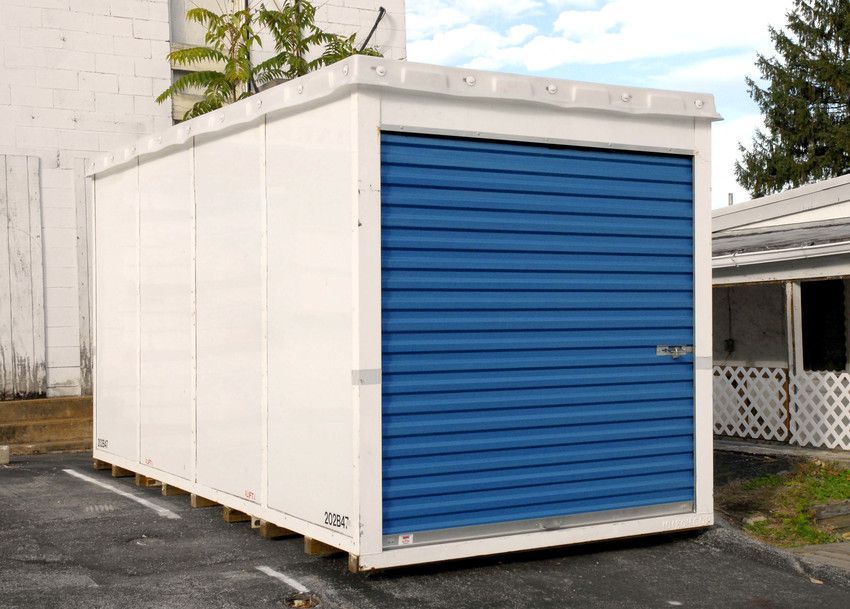
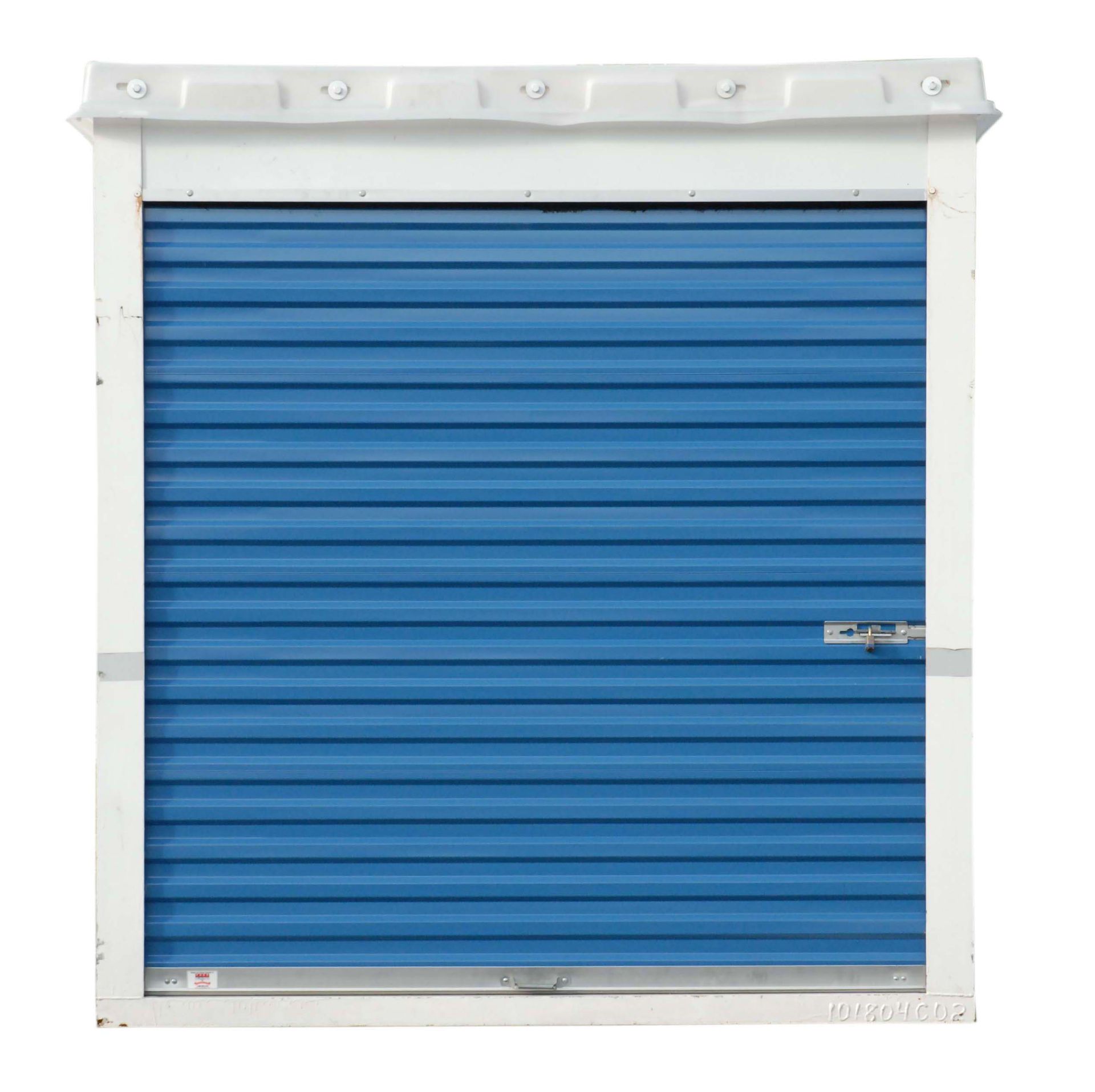
The basic concept is straightforward. A storage container is delivered to a convenient location, allowing belongings to be loaded on site. Depending on the service arrangement, the container can remain at the property or be transported elsewhere for storage. This approach makes storage part of the existing project rather than a separate destination.
Understanding How the Storage Process Works
The convenience of mobile storage begins with delivery. Instead of packing a vehicle, loading a trailer, and making repeated trips to a storage facility, customers can have a container brought to an appropriate location. Items can then be organized and loaded according to the needs of the project.
This arrangement can be useful when access to belongings matters. During a home improvement project, for example, furniture and household items may need to be moved out of a room temporarily. Keeping storage close to the property can simplify access while helping protect the items from becoming obstacles in the work area.
Planning still matters. Customers should consider placement, loading space, and how the storage timeline fits with the larger project. A professional storage provider can clarify these considerations before delivery.
Supporting Moves and Transitions
Moving is one of the most familiar situations in which mobile storage containers can help. A move does not always happen in one uninterrupted day. Closing dates can shift, renovations may delay occupancy, or a household may need temporary space between homes. Having storage available during that transition can provide flexibility when the timing of the move changes.
The same benefit can apply to downsizing. Moving from a larger home into a smaller residence often requires thoughtful decisions about what should come immediately, what can be stored temporarily, and what may need more time to sort. A nearby container provides an option for creating that breathing room without forcing every decision to happen at once.
During a busy move, reducing unnecessary transportation can also simplify organization. Belongings can move directly into the container as rooms are cleared.
Accommodating Home Improvement Projects
Renovations frequently require temporary changes to a household's usable space. Flooring projects, kitchen updates, bathroom renovations, additions, and other improvements can create a need to relocate furniture, decorations, appliances, and personal belongings.
Mobile storage containers can provide a designated place for those items while work is underway. Keeping possessions together can make it easier to restore a room after construction is complete, while moving them away from the active work area can help create a more organized environment for contractors and residents.
Seasonal projects can benefit from the same approach. Fall and winter preparation, spring renovations, or larger exterior improvements may require temporary storage for outdoor furniture, tools, recreational equipment, or other household items. Having additional mobile storage containers available on the property can reduce clutter and help keep project materials separate from everyday belongings.
Supporting Business Storage Needs
Storage challenges are not limited to residential properties. Businesses may need additional room when inventory increases, a location is being remodeled, equipment is being replaced, or a company is changing facilities. Mobile storage containers can provide temporary capacity without requiring a business to commit immediately to a larger permanent space.
Retailers, contractors, offices, property managers, and other organizations may have different reasons for needing extra storage. Inventory may fluctuate with the season, while equipment and supplies may need to remain accessible between jobs. A container can create additional room while allowing a business to continue using its primary workspace.
For businesses, organization is important. Separating stored materials from active operations can reduce congestion and make needed items easier to identify. The right arrangement can support continuity during a temporary space constraint.
Adapting Storage to Different Timelines
One of the useful characteristics of mobile storage containers is flexibility. Storage needs do not always follow a predictable schedule. A project expected to last several weeks may take longer, while a move may happen sooner than anticipated. A storage solution that can accommodate changing timelines can reduce pressure during these transitions.
Short-term storage can help with a renovation, relocation, or seasonal need. Longer arrangements may make sense when a household is between properties or a business is managing an extended transition. The appropriate timeline depends on the circumstances, stored materials, and service terms.
According to Fortune Business Insights, the global self-storage market was valued at USD 65.01 billion in 2025. It is expected to increase from USD 68.90 billion in 2026 to USD 109.66 billion by 2034, representing a compound annual growth rate (CAGR) of 5.98% over the forecast period. This broader growth reflects continued demand for flexible storage options among households and businesses.
Improving Organization During Storage
Good storage is about more than creating extra space. Organization can make a temporary storage period easier to manage and can reduce frustration when items are needed later. Before loading a container, it helps to think about which belongings may need to be accessed first and which can remain toward the back.
A practical arrangement can keep frequently needed items accessible while placing long-term storage farther inside. Grouping similar belongings can simplify retrieval. For a move, items can be organized by room or destination; for a business, inventory can be separated by category or project.
Clear communication with a storage provider is another part of an organized experience. Customers should understand delivery expectations, placement, access arrangements, storage duration, and property requirements.
Considering Location and Accessibility
Where a storage container is placed can affect how convenient the overall experience becomes. A suitable location should provide enough room for delivery and access while fitting the property's layout and any applicable local requirements. Customers may need to consider driveways, access points, overhead clearance, surface conditions, and proximity to the building.
Accessibility matters throughout the storage period. If belongings will be needed regularly, placement should support convenient access. If the container will primarily hold items that are not needed until a project is complete, a different arrangement may be appropriate.
Because every property is different, discussing placement with the provider ahead of time can help identify practical considerations before delivery.
Preparing for Seasonal Storage Changes
Storage needs can change with the seasons. Warmer months may bring home projects, moves, landscaping work, and increased outdoor activity. Colder months can shift attention toward indoor renovations, holiday decorations, winter equipment, and other seasonal belongings.
Using mobile storage containers during these transitions can help households keep seasonal items organized without crowding living areas or garages. Businesses may also experience seasonal inventory changes and need temporary space during busier periods.
The key is matching the arrangement to the reason for the added space. A seasonal need may require a shorter timeline, while a renovation or relocation may last longer. Planning ahead can make coordination easier.
Choosing a Storage Approach That Fits
There is no single storage arrangement for every situation. The right approach depends on the type and volume of belongings, access needs, storage duration, and property logistics.
Mobile storage containers can be especially useful when convenience and flexibility are priorities. They can connect storage with the project itself, giving customers a way to manage belongings without adding unnecessary trips to the schedule.
For anyone planning a move, renovation, business transition, or seasonal storage change, On-Site Containers can provide a convenient storage option designed around the needs of the project. Contact On-Site Containers to discuss your storage needs and arrange a solution that fits your timeline.