June 15, 2026
In logistics, retail, construction, manufacturing, and event planning, storage needs can change quickly as demand rises. These trailers give businesses a practical way to add temporary space without committing to a permanent warehouse expansion. When scheduled before peak season, they can help companies manage inventory, equipment, materials, and supplies with less disruption.
Waiting until demand is already high can create unnecessary pressure. Availability may be limited, rental rates may rise, and businesses may have fewer options for trailer size, configuration, delivery timing, or contract length. Planning early gives companies more control over storage decisions and helps operations stay organized when the busiest weeks arrive.
What Are Mobile Storage Trailers?
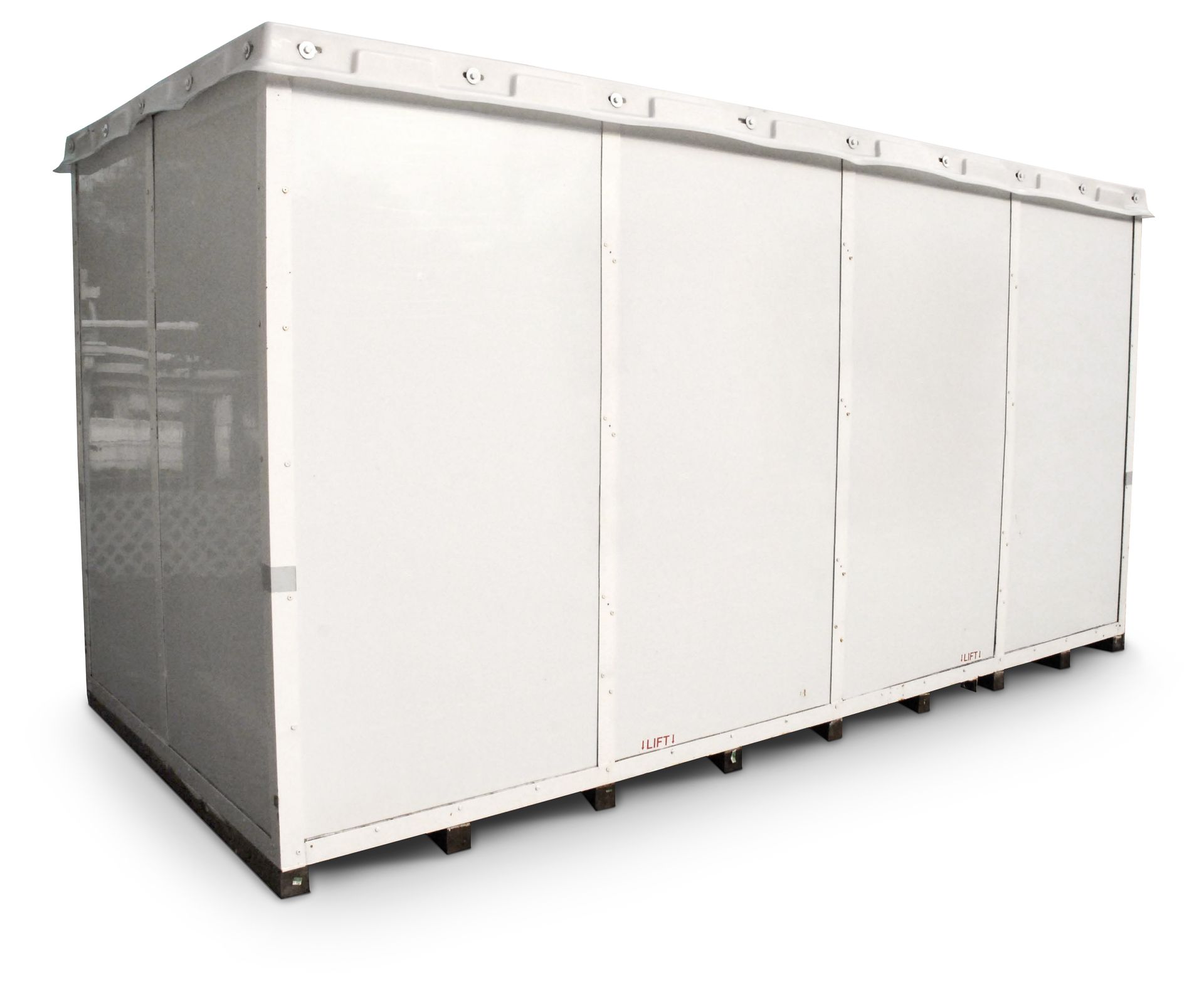
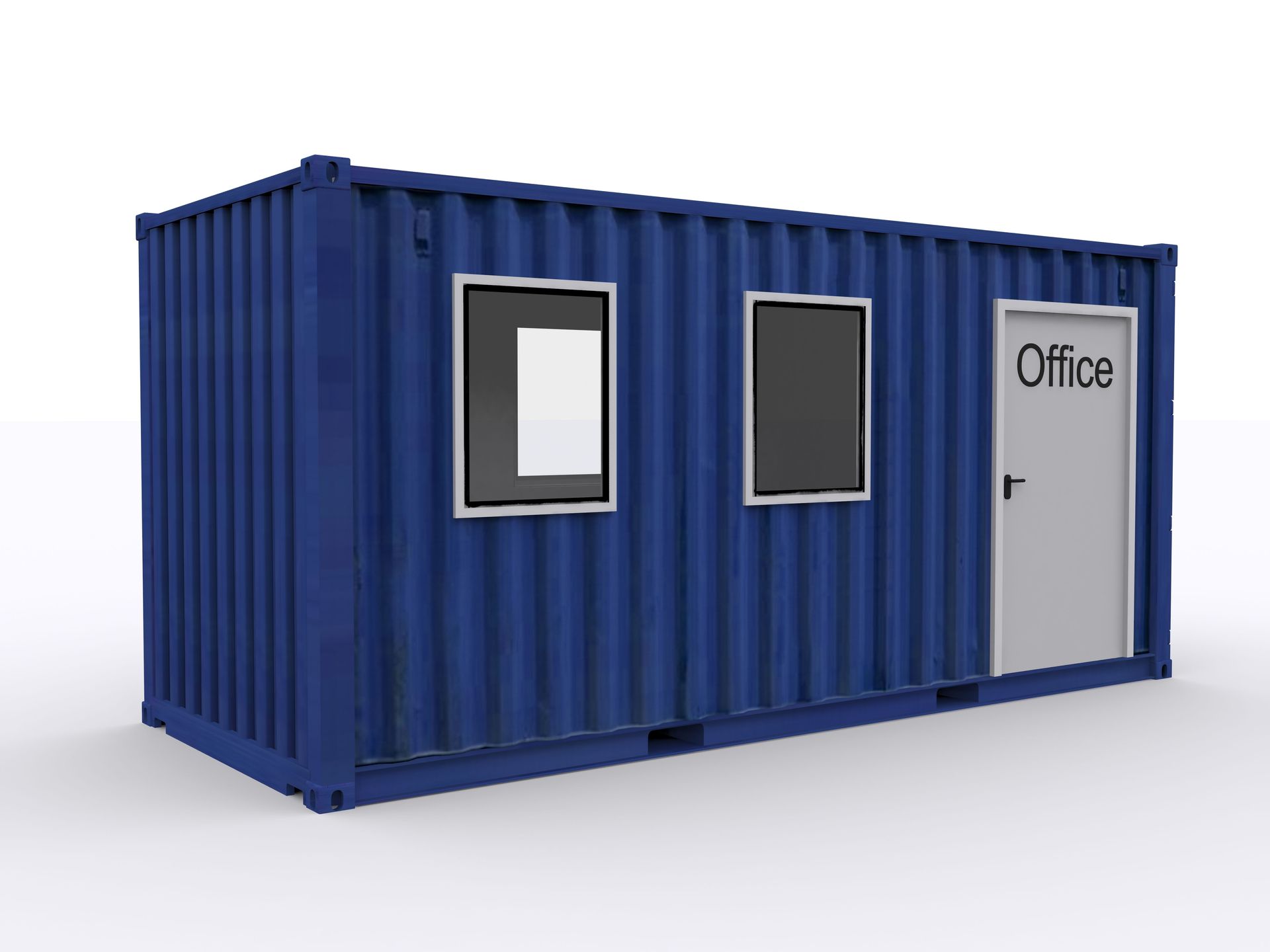
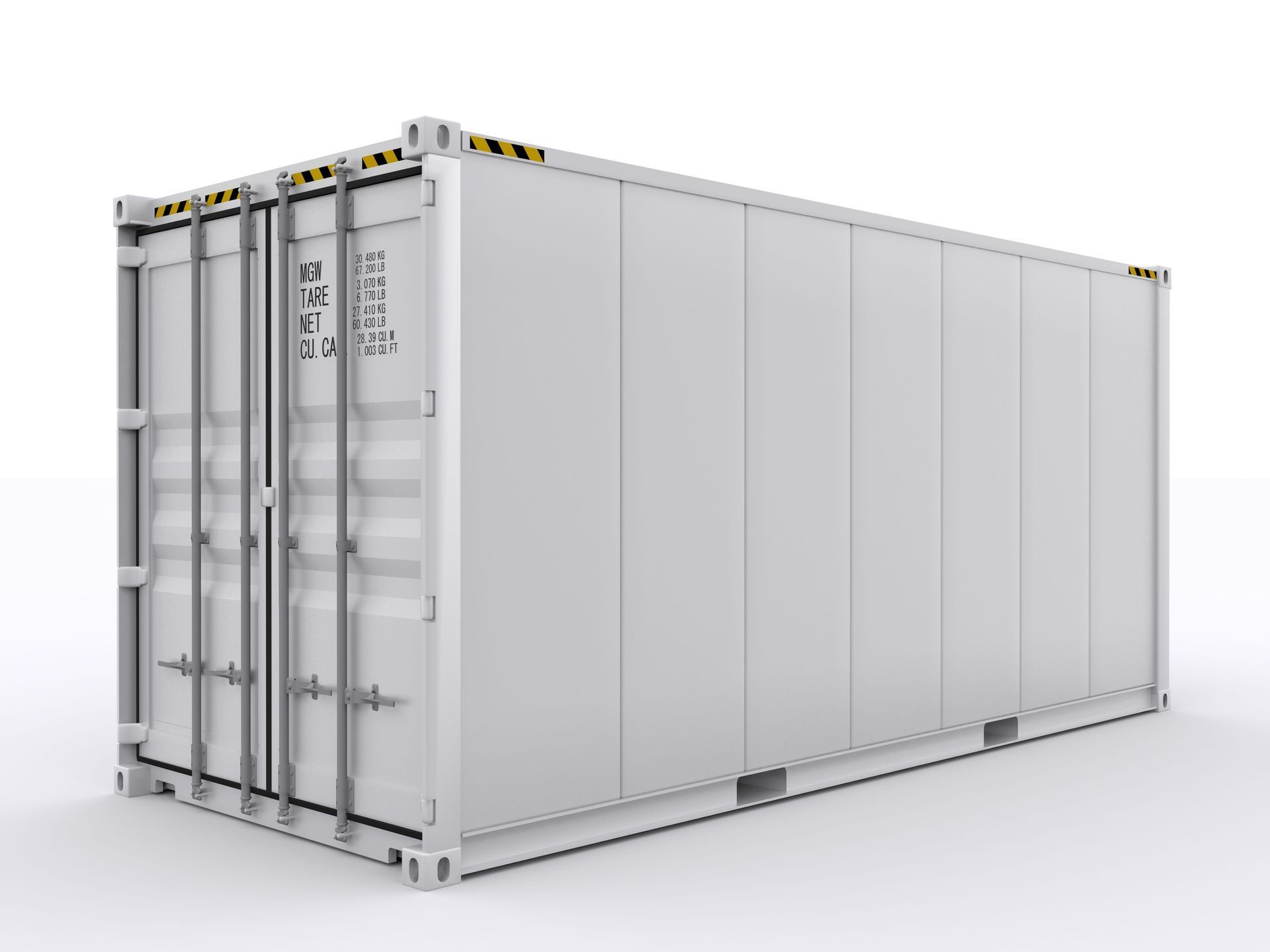
These enclosed trailer units can be placed on-site for temporary or seasonal storage. They are often used when companies need extra room for inventory, tools, jobsite materials, documents, supplies, or equipment. Because they can be delivered directly to a property, they reduce the need to move items back and forth from an off-site warehouse. According to Yahoo! Finance, demand for trailer-based mobile storage is rising fast, with some providers already operating about 37,000 mobile storage trailers across dozens of North American locations.
These trailers are useful because they add space where it is needed most. A retailer can place one behind a store during the holiday season. A contractor can keep materials close to an active project. A manufacturer can use one to hold overflow inventory during a production surge. That flexibility makes them valuable for businesses with changing storage demands.
Why Early Scheduling Matters
Peak seasons often come with higher demand for temporary storage. Retailers may need more room before major shopping periods, construction companies may need added space during busy building months, and event planners may need storage before large festivals or seasonal gatherings. When many organizations are looking for temporary storage at the same time, last-minute scheduling can limit your options.
Early scheduling gives your business more time to compare providers, confirm delivery windows, and choose the right trailer for your space. It also gives your staff time to plan how the trailer will be loaded, accessed, secured, and monitored. Instead of reacting to a storage shortage, your business can prepare in advance and keep daily work moving.
Better Availability Before Demand Spikes
One of the biggest reasons to book early is availability. During peak periods, the most suitable sizes and configurations may be reserved quickly. Businesses that wait may have to accept a trailer that is too small, too large, or not ideal for their site layout. Scheduling mobile storage trailers before peak season gives you a better chance of getting the right unit for your needs.
Availability also affects delivery timing. A trailer may be available, but delivery slots can fill up as peak season approaches. By arranging storage ahead of time, you can coordinate delivery around staffing, site access, receiving schedules, and inventory planning. This can prevent the trailer from arriving too late or interfering with regular operations.
Cost Control and Budget Planning
Planning ahead can also support better cost control. When demand increases, rental prices and delivery availability may shift. Businesses that schedule early may have more room to compare pricing, review contract terms, and avoid rushed decisions. Using mobile storage trailers strategically can be more affordable than securing additional warehouse space, especially when the need is seasonal.
Early planning also helps you budget for related costs, including delivery, pickup, locks, shelving, ramps, insurance requirements, and any needed site preparation. When these details are reviewed in advance, storage becomes part of the operating plan instead of an unexpected expense during an already busy period.
Choosing the Right Trailer for Your Needs
Not every storage situation calls for the same trailer. Some businesses need a standard dry van for boxed inventory or supplies. Others may need a refrigerated unit for temperature-sensitive products. Certain jobs may require easier loading access, extra security features, or a layout that supports frequent loading and unloading. These trailers work best when the type of unit matches the way it will be used.
Before scheduling, businesses should consider what will be stored, how often items will be accessed, how long the trailer will be needed, and where it will be placed. Site conditions matter as well. A level surface, safe access route, and enough clearance for delivery can make setup easier and reduce delays.
How Mobile Storage Supports Retail Operations
Retailers often face major inventory swings before holidays, back-to-school periods, promotions, and seasonal sales. Extra stock needs to be close enough for employees to retrieve quickly, but it also needs to stay organized and protected. Mobile storage trailers allow stores to keep overflow inventory nearby without overcrowding sales floors, stockrooms, or receiving areas.
This added space can help retailers maintain smoother replenishment routines. Employees can separate seasonal products, promotional displays, packaging supplies, and backup inventory in a dedicated area. With a clear storage plan, the trailer becomes an extension of the store's existing workflow rather than a cluttered overflow area.
How Mobile Storage Helps Construction Sites
Construction projects rely on timely access to tools, materials, and equipment. When supplies are scattered or stored off-site, crews may lose valuable time retrieving what they need. Mobile storage trailers can be placed near the jobsite, giving workers a secure area for materials, fixtures, safety equipment, and project supplies.
For construction companies, early scheduling is especially helpful because project timelines can overlap with seasonal demand. A trailer that is reserved before the busy period can support better coordination between deliveries, subcontractors, and daily site work. It can also reduce the risk of materials being damaged, misplaced, or left exposed to weather.
Manufacturing and Warehouse Overflow
Manufacturers and warehouse operators often use temporary storage to manage production surges, incoming materials, delayed shipments, or finished goods waiting for distribution. Mobile storage trailers can provide added capacity without requiring permanent facility changes. This is useful when demand is temporary or when a company needs a short-term bridge during expansion, renovation, or inventory shifts.
With proper planning, a trailer can be assigned to a specific function, such as packaging materials, seasonal inventory, returns, replacement parts, or finished products. This keeps internal space clearer and helps employees find what they need more quickly. Early scheduling also allows managers to build the trailer into the facility's traffic flow and loading routines.
Event Planning and Seasonal Projects
Events require extensive preparation, especially when supplies, signage, furniture, equipment, decor, and vendor materials need to be staged before setup. Mobile storage trailers can keep these items grouped and ready for use, which makes event preparation more organized. They are also useful after an event, when materials need to be collected, sorted, and transported.
For seasonal projects, timing is everything. Reserving storage early helps planners coordinate delivery with setup schedules and staff availability. It can also reduce the chance of having to source last-minute storage from a provider that cannot meet the location, size, or timing requirements.
Scheduling mobile storage trailers before peak season is a practical way to protect space, control costs, and support smoother operations. Early planning gives businesses better access to the right trailer, better delivery timing, and more time to create an organized storage system. Whether the need comes from retail demand, construction work, manufacturing overflow, events, or emergency readiness, these trailers can provide the flexibility needed to handle busy periods with less disruption. Contact On-Site Containers today to learn more.